Live-dealer apps: why session length is the wrong metric
Live dealer products are being optimised for session length. The operators winning long-term are optimising for session frequency instead — and the UX implications are significant.
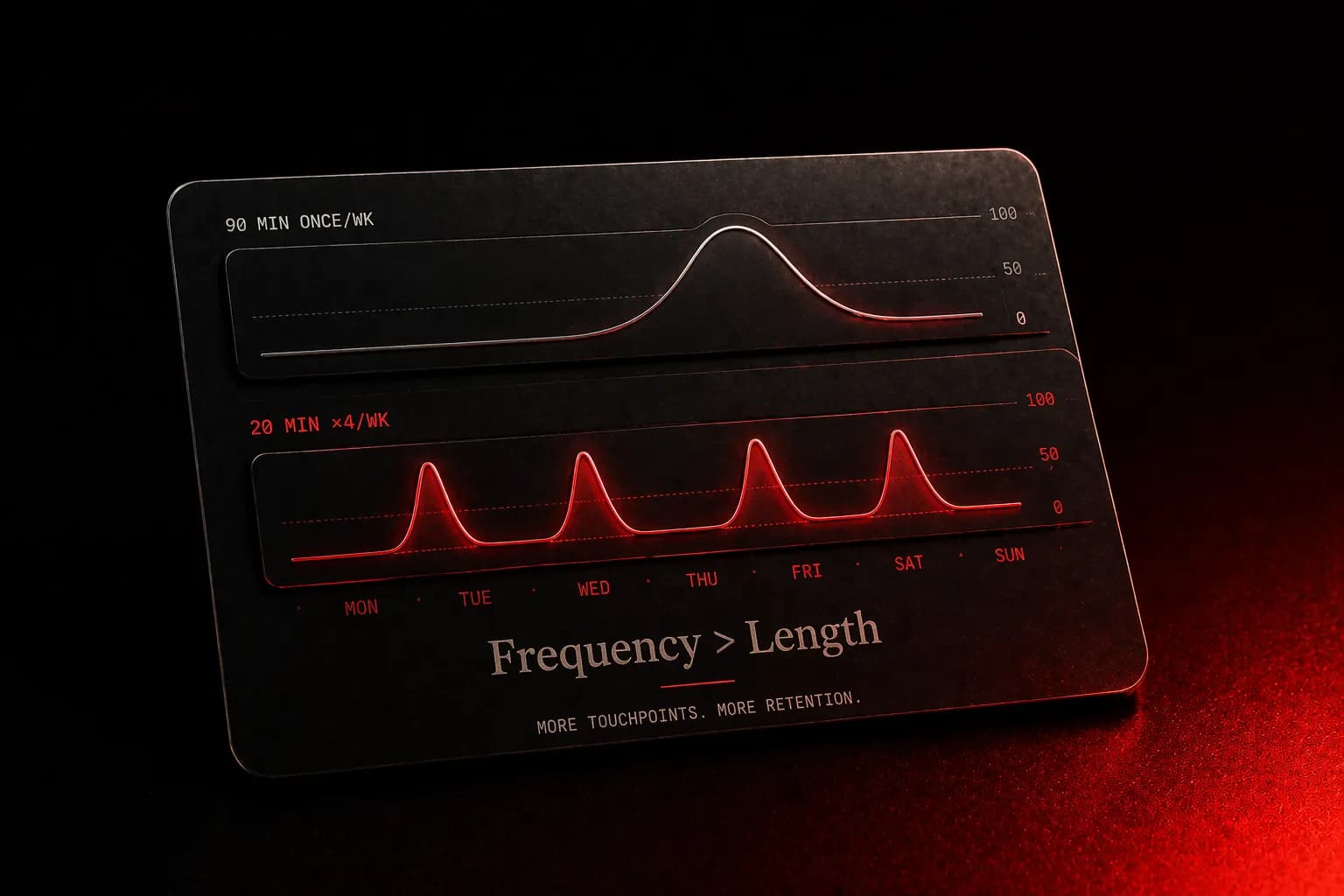
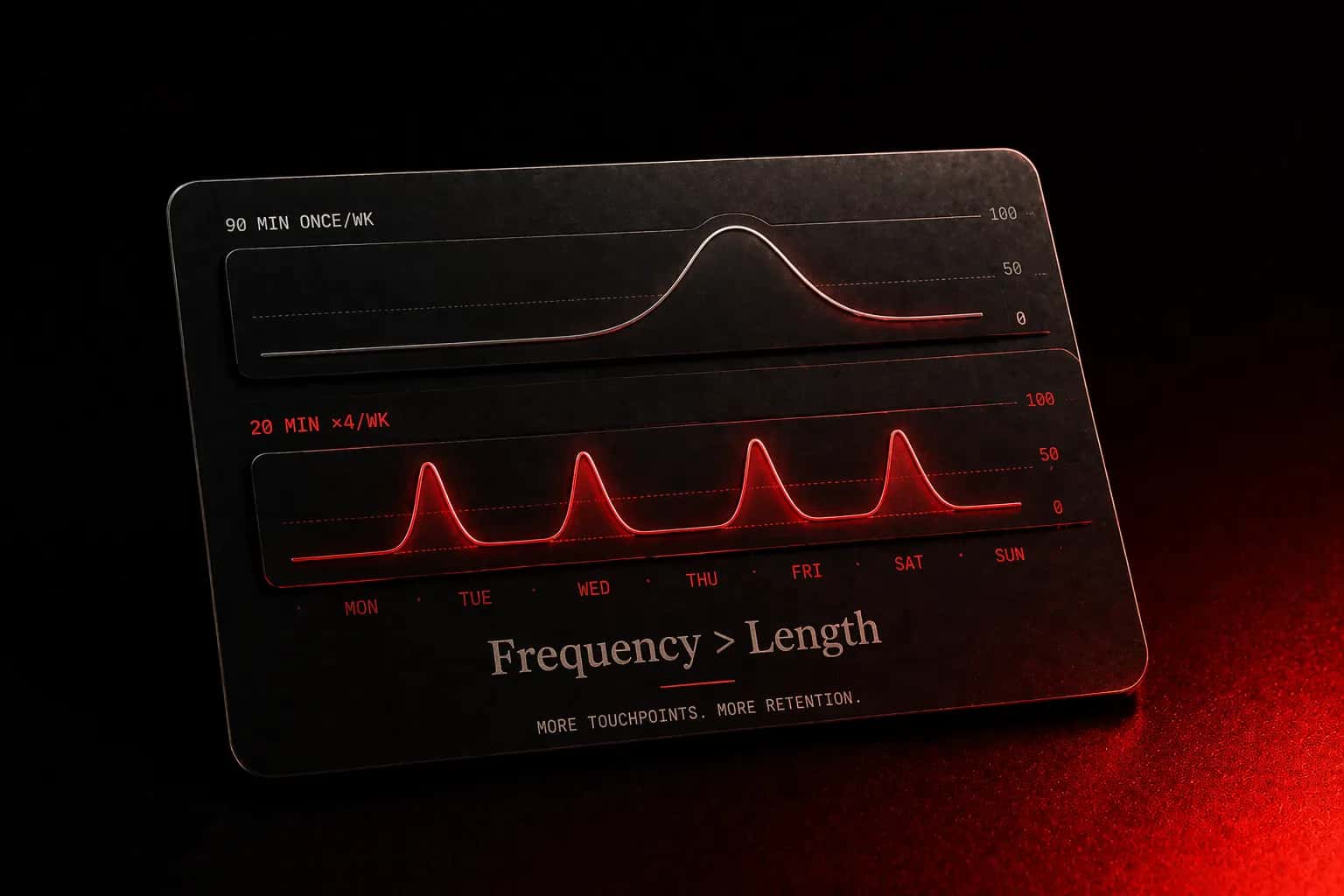
Live dealer product teams almost universally track average session length as their primary engagement metric. It feels intuitive: longer session means more engagement means more revenue. The data across the operators we benchmarked tells a more complicated story.
What session frequency reveals that length hides
A player who plays for 90 minutes once a week and a player who plays for 20 minutes four times a week look different on a session-length chart. The second player is worth significantly more: higher frequency correlates with stronger habit formation, lower churn, and more CRM surface area. Yet most products are not designed for the second player.
Players who log in 4+ times per week have a 6-month LTV that is 2.8× higher than those who play the same total hours in fewer, longer sessions.
The UX shift that frequency-first design requires
- Fast lobby — a returning player should reach their preferred table in under 10 seconds
- Session history surfaced on login — 'You played Baccarat last time, table is available now'
- Micro-session formats — speed rounds, quick-play options that fit a 15-minute window
- Exit triggers that invite return — 'Come back tonight for the tournament' rather than 'Are you sure?'
Designing for short, frequent sessions requires accepting that a 15-minute session that leads to a return tomorrow is more valuable than a 90-minute session that burns the player out. That is a cultural shift for product teams anchored to time-on-site as the success metric.
Ex-McKinsey, now iGaming. Translates operator P&L priorities into actionable design briefs.